- Auto Tinting
- Auto Wrapping
- Car Paint Protection
- Tesla
- Residential Tinting
- Commercial Graphics
- Commercial Tinting
- About Us

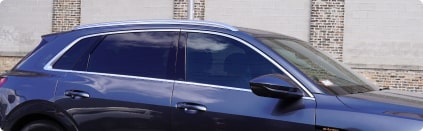
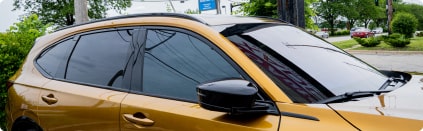










You might have seen chameleon tint online and wondered, what is that? This is not the typical dark window film. It’s colorful. It moves slightly when exposed to the sun. Blue sometimes. Purple sometimes. Warmer sometimes. That’s why it catches people’s attention quickly. The main reason people choose chameleon car tint is for its style, but some drivers also want to know if it reduces glare and can be used on windshields.
Not suitable for all cars. Not for all drivers. If you prefer a more custom look over regular tint, then this is the one that everyone is interested in.
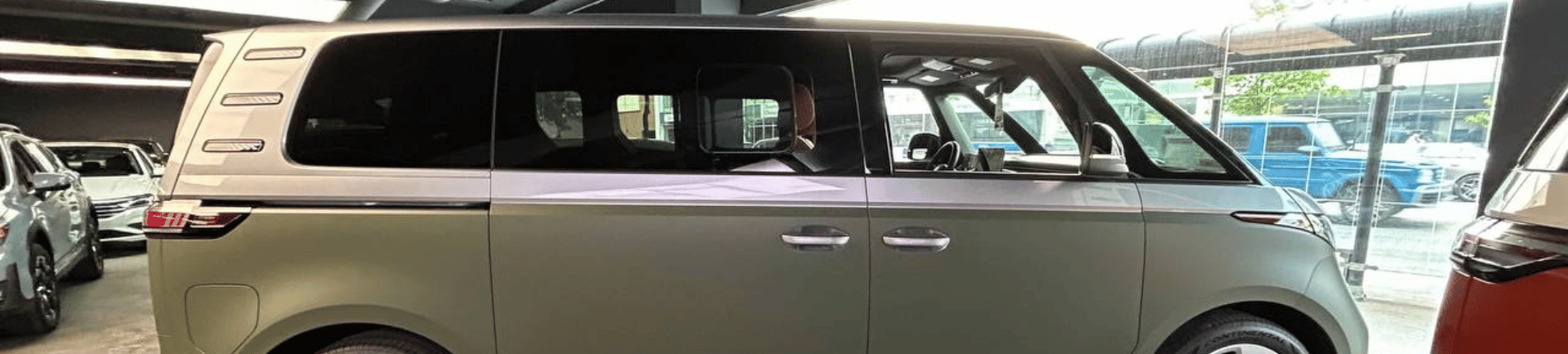
What Is Chameleon Tint?
Chameleon tint is a colored film for windows that looks different based on the light, angle, and weather. It’s not always the same. That’s the point.
Many drivers request chameleon tint windows because they want something more exciting than solid black film. It can make the glass look blue, purple, green, or gold from the outside.
This is not the same as super dark privacy tint. It is more about the look. Some films are light. Some are stronger. Some look subtle. Some look loud. Very loud.
Why Drivers Choose Chameleon Car Tint
People do not usually buy chameleon car tint because they want their car to look boring. Quite the opposite.
They want:
- a sportier look
- more color on the glass
- something that stands out in the sun
- a custom feel without wrapping the whole car
- a windshield that looks different from normal tint
For some cars, it works really well. Sports cars. Weekend cars. Show-style builds. Cars with a little attitude. On a plain daily driver, it can still work. But the look has to match the car.
Chameleon Tint Colors and How They Look
The fun part is the color. That is what gets people to click.
Chameleon tint colors can change from blue to purple and also have warmer tones like yellow, green, or gold. Some films barely shift. Others are very noticeable immediately. It all depends on the type of film, the sun, and the glass.
Most people who look for chameleon tint colors are curious about how bright it can be. The answer is: from a little bit of dirt to “everyone at the gas station is staring at your windshield.”
Shade matters too. One film may look soft in cloudy weather, then get much brighter in full sun. That changing look is the whole reason this tint got popular.
Different Types of Chameleon Tint
| Type | Usual look | Where people use it |
|---|---|---|
| Light chameleon film | Soft color shift | Windshield |
| Medium chameleon film | More visible tone | Windshield or front glass |
| Bold color-shift film | Strong outside color | Custom builds |
| Full-style chameleon film | Dramatic look | Show cars or all-around style |
Some drivers also ask about factory chameleon tint. In most cases, that is not really the same thing. Factory glass can have a slight tone, sure, but aftermarket chameleon film gives a much more noticeable color shift.
Chameleon Tint All Around or Just on the Windshield?
For most drivers, using a windshield-only is the safest option. It provides the desired appearance without making the car seem too flashy. Living with it every day is also simpler.
Tinting all windows on a chameleon is a whole different matter. It could appear very unique, very daring, very mysterious. Chameleon tint is also applied to all windows. It is most effective when the car already has that particular style. It looks cool on the right structure. It may seem like a lot happened at the same time if it’s not the right one.
Where people usually install chameleon tint windshield
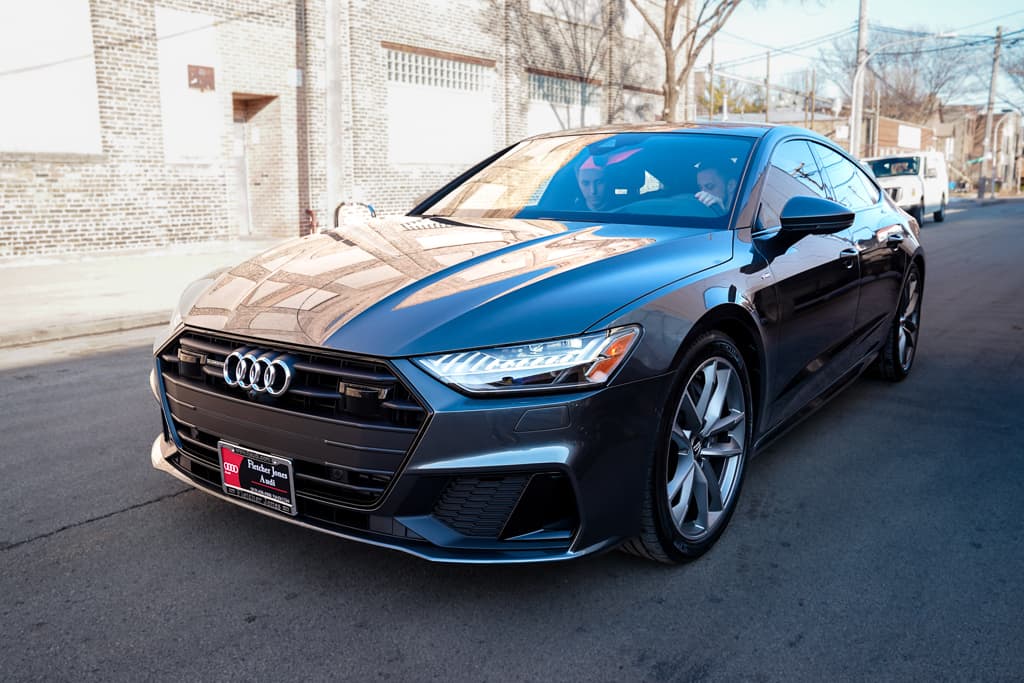
The windshield is the place people ask about most. That is where chameleon tint windshield gets the biggest visual effect.
Some drivers ask for the front doors too. Some ask about the chameleon tint driver window. But windshield-only is still the most common setup. One piece of glass, big visual change. Simple.
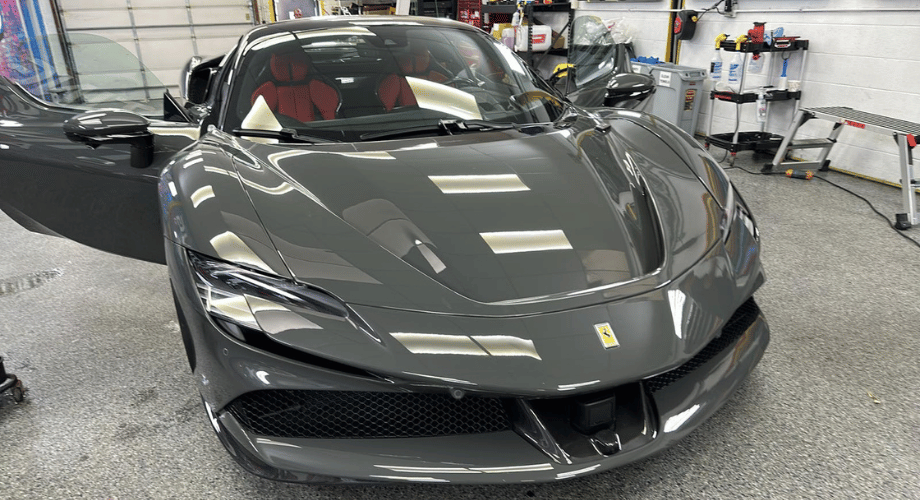
Chameleon Tint From Inside – What Drivers Actually See
The color change seen inside a chameleon is usually lighter than what people see from the outside. The glass might reflect colorful flashes when viewed from the street. The impact is less strong when viewed from the driver’s seat. You can still see the road. You are not going through a tunnel that looks like a rainbow.
However, using chameleon tint at night is a real concern. When the windshield has a film on it, it is especially important to be able to see well at night. A lighter film is easier to deal with. Feeling less comfortable at night can happen to someone who is stronger. The choice of film is very important.
Chameleon Tint Benefits
There are a few real chameleon tint benefits, even if style is the big one.
- custom look
- color shift in sunlight
- more visual pop than regular tint
- lighter feel than very dark film
- can help with some glare
- good fit for sporty or modified cars
Most buyers still want it for looks first. Let’s be honest. But sometimes that is enough.
Drawbacks of Chameleon Tint
This film is not for everyone, here is why:
- First, the look is bold. Some people love it. Some people get tired of it fast. If you want a clean factory-style car, this may not be your thing.
- Second, windshield use brings more questions. Visibility matters. Local rules matter. That is where chameleon tint legal comes up right away.
- Third, some films look cheap if the quality is poor. Bad film can make a cool idea look tacky. And yes, color-heavy tint can feel like too much on a daily car. Fast.
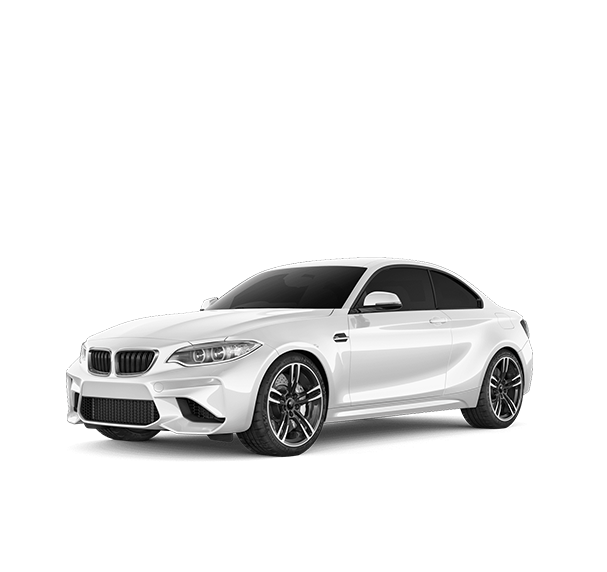
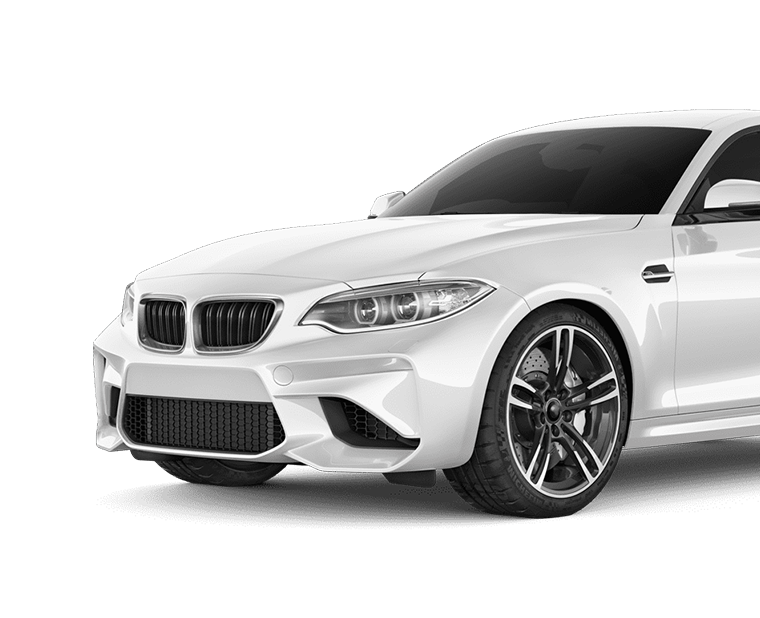

Is Chameleon Tint Legal & What Drivers Should Check
In Illinois, the front windshield can only have nonreflective tinted film on the top 6 inches, and the front side windows next to the driver must meet specific light-transmission rules based on the tint behind the driver. So for Chicago drivers, chameleon windshield film is something to check very carefully before install, especially if the film is colored or more noticeable from outside.
This matters more on front glass than rear glass. Shade, color, and light transmission can all matter. If the look is the goal, fine. But it still has to make sense for the road.
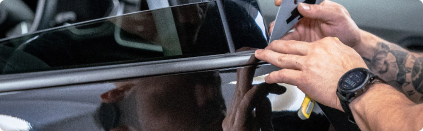
How We Install Chameleon Tint
First, the glass is thoroughly cleaned. If there is any dust or trash under the film, it will be visible.
Then the right film is chosen based on the look the owner wants. Light shift? Strong shift? Windshield only? More than that?
After that, the film is shaped and placed with care. This matters a lot on curved glass. Then comes the final check. Smooth finish. Clean edges. No mess. This is not the kind of film most people should try in a driveway on a windy day.
What Affects the Chameleon Tint Price?
Chameleon tint cost can change for a few reasons:
- windshield only or more glass
- film type and brand
- how bold the color shift is
- vehicle shape
- install difficulty
- local labor rates
So, When Chameleon Tint Makes Sense
It makes sense when the driver wants style first. That is the honest answer.
A sports car? Sure. A custom build? Makes sense. A car that already has wheels, wrap details, or a louder look? Yes, it can fit.
If you just want privacy or a simple stock look, regular tint is often the better move. Chameleon tint install near me searches usually come from people who already know they want something more eye-catching than normal film.
Ask us anything.
We’re always in touch.
 Send a message
 Send a message
Conclusion
Chameleon tint is not your usual window film. It has more color, more attitude, and a very different look from standard tint. For most people, the windshield is the main place to install it. Some want a soft color shift. Some want all-out style. That choice depends on the car, the driver, and how bold they want to go.
Done right, chameleon tint windows can make a car look much more custom without going super dark. Done wrong, it can feel like too much. So the film choice matters. A lot.
FAQ
How long does chameleon tint last?
It depends on the film quality, the install, and how much sun the car gets. Better film lasts longer and keeps its look better. Cheap film can fade sooner or start to look off.
What does chameleon tint do?
It changes the look of the glass by adding a color-shift effect. It can also help with some glare, but most people buy it because they like the style.
Does chameleon tint reduce glare?
It can reduce some glare, yes. How much depends on the film and where it is installed.
Does chameleon tint affect insurance?
That can depend on your local rules, your policy, and how the car is used. If the film is not legal where you drive, that can create problems later.
Does chameleon tint affect vision?
It can, especially if the film is too dark or too strong for windshield use. That is why film choice matters more on front glass.
Does chameleon tint pass MOT?
That depends on local inspection rules. In places that check windshield film closely, it may not pass if the tint or color does not meet the legal standard.