- Auto Tinting
- Auto Wrapping
- Car Paint Protection
- Tesla
- Residential Tinting
- Commercial Graphics
- Commercial Tinting
- About Us

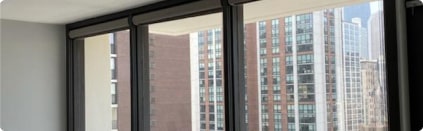
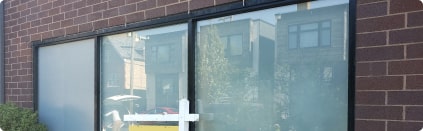



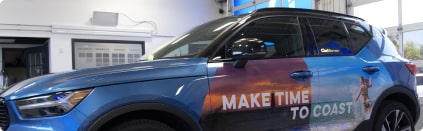









Many drivers desire high quality window tint, but they often don’t know how to compare the different options available. They examine one car, then another, and ask the usual questions. What is the percentage? What’s the brand? Why is this one black and the other one more gray? Good questions.
Most people start that way. The best tint for cars is not only about the darkness of the glass. It’s also important to consider the heat, glare, UV protection, and color of the film, as well as how well it lasts over time when used on the road.

What Makes Window Tint High Quality?
That’s the part that people overlook. A good window tint is not only a dark film with a pretty label. A good film for windows should be clear, keep the surface smooth, reduce heat, prevent glare, and protect the inside from UV rays. The color should stay the same. Everyone wants a tint that doesn’t turn purple, patchy, or dull quickly.
Low-cost tinting can initially deceive people. It might seem okay from a distance of ten feet. Time goes by. Bubbles appear. The color changes. The glass looks old and has a strange tint. Not good.
So, when people want good tinting for cars, they usually want it to make their car look better, feel cooler, and stay that way.
Why some people compare window tint the wrong way
A lot of customers compare film by the easiest thing to see. Darkness.
That is why people ask questions like:
- What percent is that?
- Is that 20 or 35?
- Which one looks darker?
- Which one costs less?
- What brand is on that car?
That stuff matters, sure. But it is not the full story. If you want to compare window tinting the right way, you have to look past shade alone. Two films can look close in color and still perform very differently in heat control and clarity. That is where people get tripped up.
How Window Tint Actually Works
Window tint serves a purpose beyond just making your car look cool. Yes, it also does that. But there’s more happening.
Visible light transmission
This is the famous one that everyone knows. VLT refers to the amount of light that can go through the film. Less number, more dark. That is why people compare window tint percentages when they shop.
Heat rejection
This part matters a lot in real life. Two films can both be 35%, but one may block way more heat than the other. That is why a lighter premium film can still feel better than a darker cheap one.
UV protection
A good film can protect against UV rays. All that is important for your skin, your seats, your dashboard, everything. Sun damage takes a long time to show, but it builds up over time.
Glare reduction
Some drivers are most concerned about being blinded by bright lights. Sunny paths. Sun low. Light bouncing off cars. Tinted windows can make it easier to drive during the day.
Compare Window Tint Percentages: What the Numbers Really Mean
| Tint Percentage | How It Looks | Common Use | What to Know |
|---|---|---|---|
| 70% | Very light | Windshield where allowed | Barely changes the look |
| 50% | Light | Front windows | Soft, clean look |
| 35% | Medium | Popular all-around choice | Good balance |
| 20% | Dark | Rear windows or privacy look | Darker at night |
| 5% | Very dark | Privacy-focused setups | Very bold, very dark |
This helps you compare window tint percentages, but shade alone does not tell you the quality of the film.
That is the catch.
A 50% ceramic film can reject more heat than a darker lower-grade film. So yes, the glass may look lighter, but the car may feel cooler. That surprises a lot of people the first time they learn it.
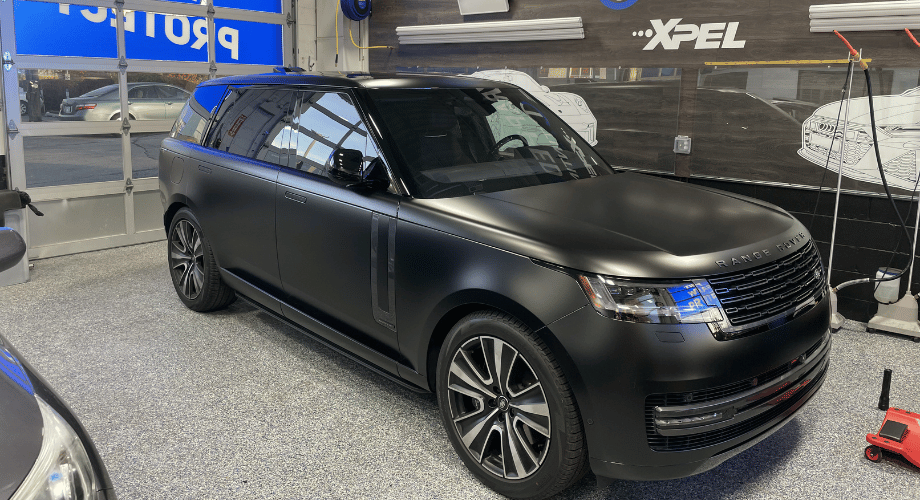
Film Types: What Most Drivers Use in Chicago
Once customers get past percentage, they start looking at film type. This is where things get more useful.
Carbon film
Carbon film is a decent option in the middle. It provides a more intense appearance, effectively reduces glare, and offers improved color stability compared to lower quality film. Drivers often choose this option because they can get a good look without having to pay premium prices.
Ceramic film
Many buyers choose ceramic film for its strong performance. It assists with rejecting heat, maintaining clear visibility, and does not interfere with signals from GPS or phones. Ceramic is a good choice for everyday comfort.
Nano-ceramic film
Nano-ceramic is the best option. Improved temperature regulation. Tidy sensation. Good performance without using very dark glass. Many people are looking for very good window tint, and this is the quality they want.
Metallic film
Metallic film is still around, but it’s not as popular as it used to be. Ceramic is preferred by most drivers today because it doesn’t interfere with signals, even though it doesn’t reflect heat as well.
Should You Compare Window Film Brands?
Clients ask us about names. XPEL. 3M. LLumar. SunTek. Others too. Some people come in already attached to a brand. Some just want “the best one.”
The reality is that the brand is important, but the range of products is important as well. A brand might offer two types of films: a basic one and a premium one, but they are completely different. When you are choosing between different window film brands, make sure to check heat rejection, clarity, warranty, color, and durability.
Installation is important. In a big way. Even if a brand is well-known, a bad installation can still make it look unattractive. A reliable store with a good selection of films usually provides better results than trying to find random specifications online.
Color and Tone Options: Gray Tint vs Black Tint
This part gets overlooked, but people notice it fast when cars are side by side.
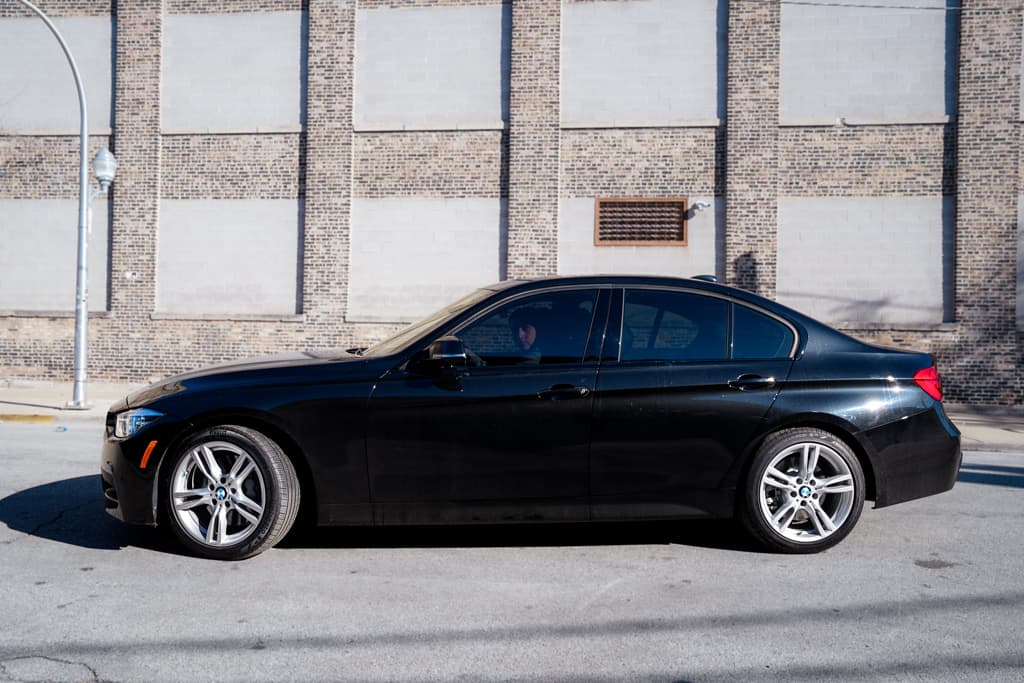
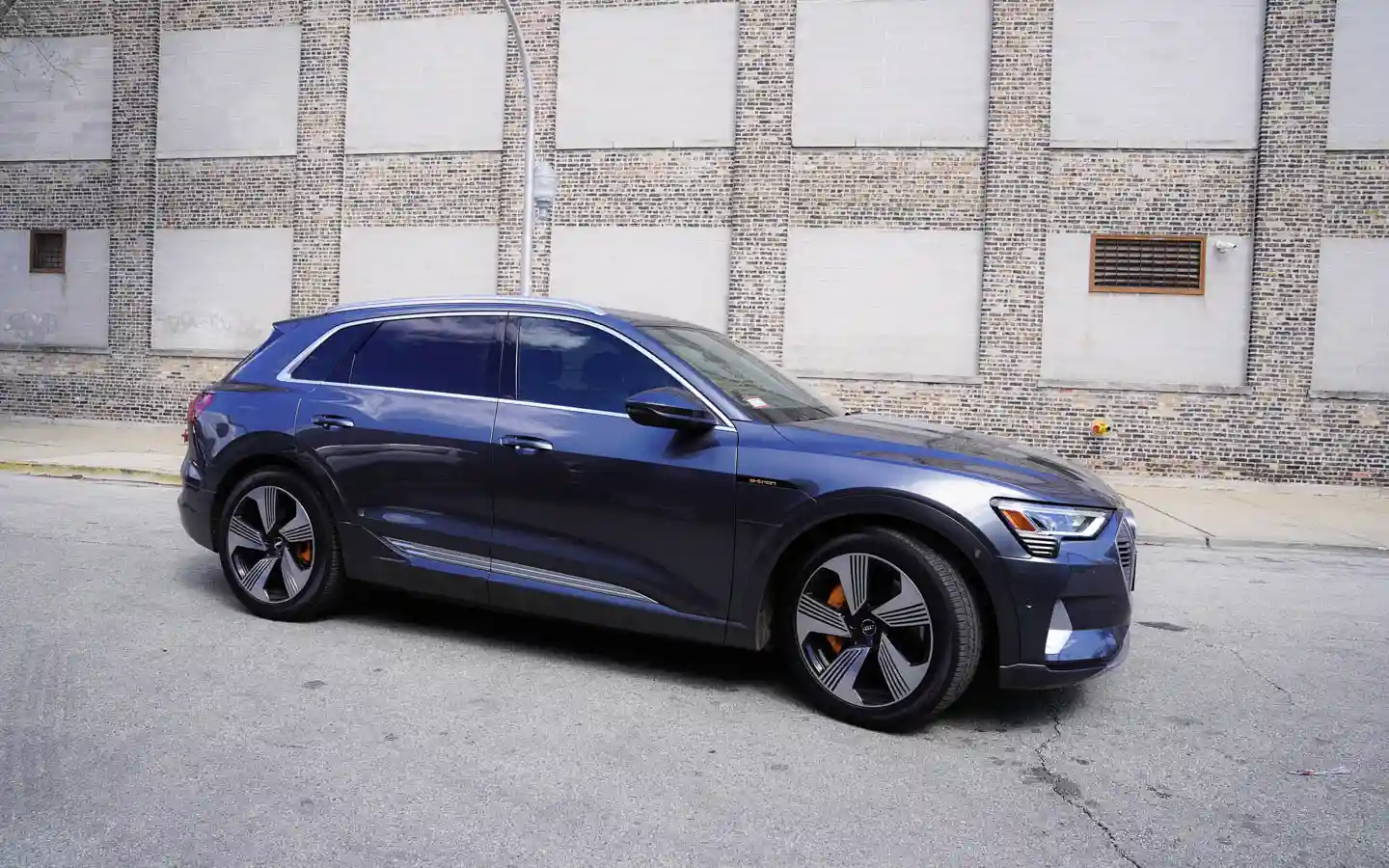
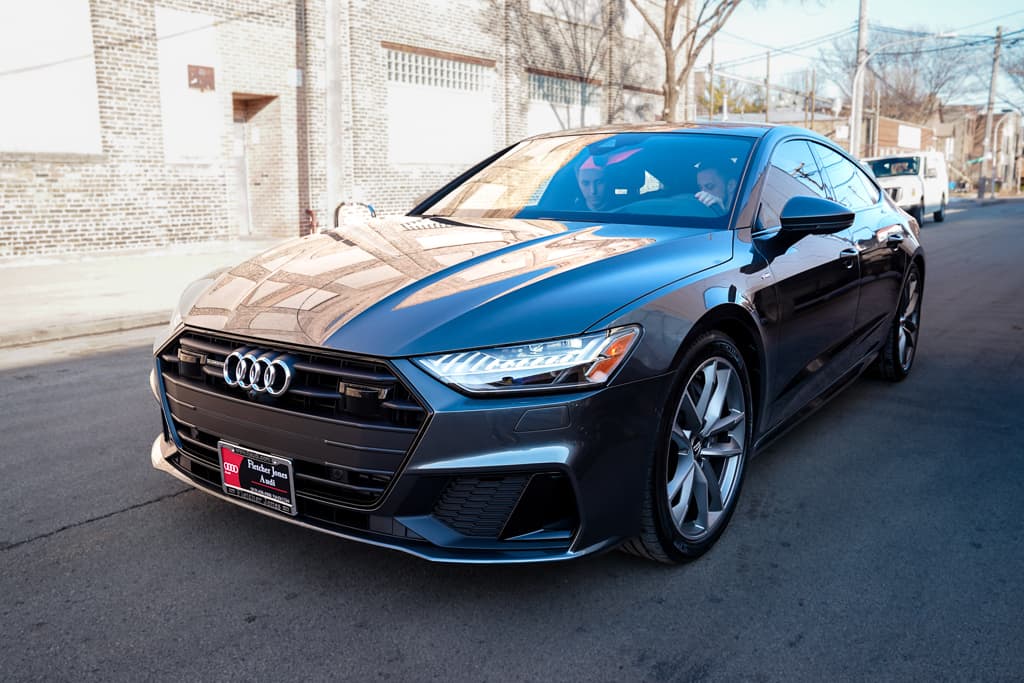
Some tint looks more gray. Some looks deeper black. Some films change a bit based on the percentage. Some change based on the glass itself. Interior color matters too. A car with a light interior may make the tint look different than the same film on a black interior.
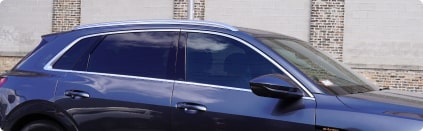
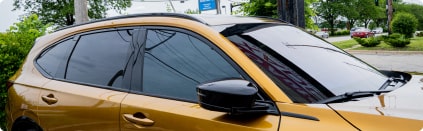
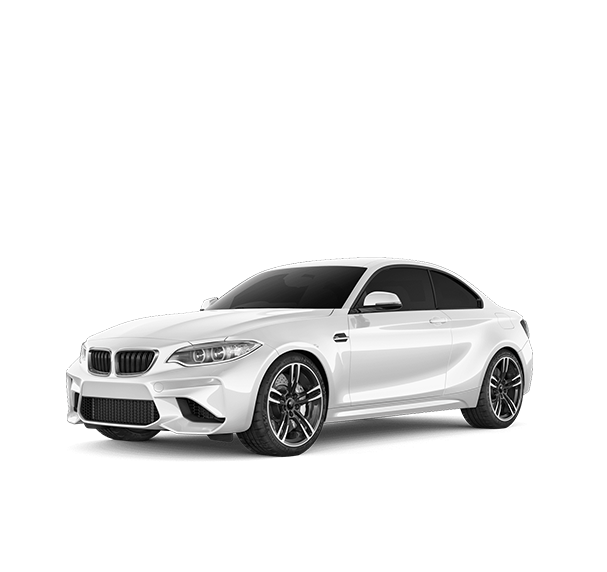
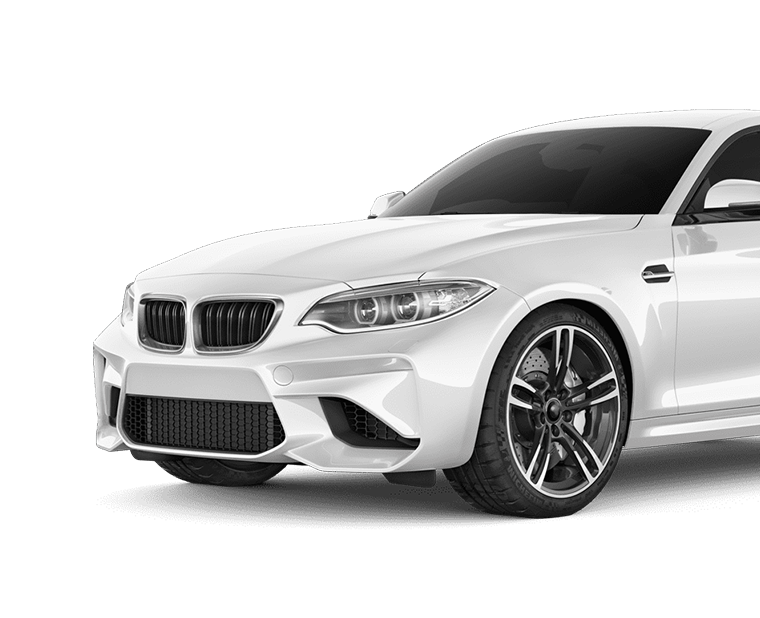
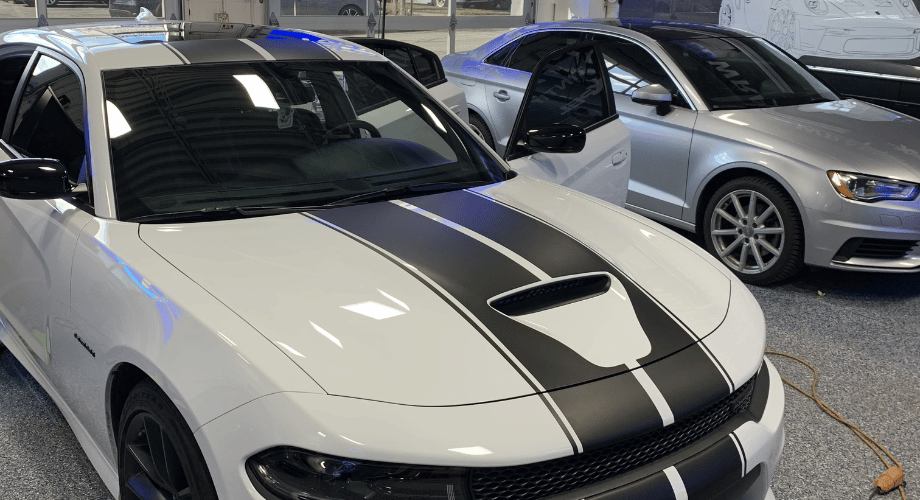
That is why you may search for window tint comparison pictures. You want to see what a white SUV looks like with 35% tinted windows. Or how a darker black film is similar to a lighter charcoal tone. Photos are helpful, but seeing real cars in natural light gives a more accurate representation.
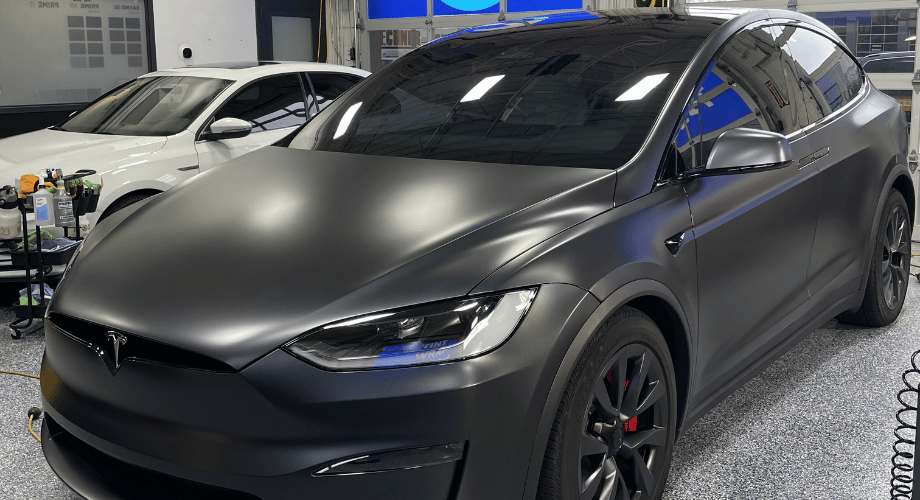
Window Tint Comparison Chart
| What to Compare | Carbon Film | Ceramic Film | Nano-Ceramic Film |
|---|---|---|---|
| Heat rejection | Good | Better | Best |
| Glare reduction | Good | Very good | Very good |
| UV protection | Strong | Strong | Strong |
| Signal interference | No | No | No |
| Color stability | Good | Very good | Very good |
| Price level | Mid | Higher | Premium |
| Best for | Style + value | Daily comfort | Maximum heat control |
How to Choose the Right Tint for Your Car
There is no single winner for every driver. That would be too easy.
Ask yourself a few things first:
- Do you want more heat rejection or mostly looks?
- Do you drive a lot in summer?
- Do you want strong performance without very dark glass?
- Do you care a lot about night visibility?
- Do you like a gray tone or a deeper black look?
- Are you shopping by budget or by long-term comfort?
That is how you narrow down good tinting for cars in a smart way.
A daily commuter may want ceramic for comfort. A style-first driver may like carbon. Someone who wants the top option may go straight to nano-ceramic and be done with it.
Common Mistakes When Choosing Tint
People make mistakes simply because they don’t know how to properly compare tinting (in fact, that’s one of the reasons tinting shops exist).
- They choose only by darkness.
- They buy the cheapest option.
- They ignore heat rejection numbers.
- They forget about glare.
- They do not ask how the tint will look at night.
- They compare brands without comparing film lines.
- They assume all 35% film is basically the same.
It is not.
That is why the best tinting for cars is different for different people. Same car, same shade, different needs. Happens every day.
Ask us anything.
We’re always in touch.
 Send a message
 Send a message
Conclusion
Don’t just judge window tint quality by how dark it is; if you want good results. Shortcuts often lead to messy outcomes, and that’s a shortcut. It’s best to compare different types of films based on their heat rejection, glare control, UV protection, color tone, and long-term value. Compare window tint percentages, brands, and performance – it makes it easier for drivers to choose. The right car window tinting depends on how you drive, the look you want, and how comfortable you want to be inside your car.
FAQ
What is considered high quality window tint?
It is a film that provides good protection against heat and UV rays, clear visibility, stable color, and a long life without bubbling or fading quickly.
Is a darker tint always better?
No. A darker window tint provides more privacy, but it may not always offer better heat control. A lighter high-quality film can still do much better.
How should I compare window tint percentages?
Examine how much light the film allows to pass through, then compare it with your driving style, visibility requirements, and local regulations. Shade is just a small aspect of the decision.
What matters more: brand or film type?
Both are important. However, the type of film and how well it is installed usually have a bigger impact on the actual outcome than just the brand name alone.