- Auto Tinting
- Auto Wrapping
- Car Paint Protection
- Tesla
- Residential Tinting
- Commercial Graphics
- Commercial Tinting
- About Us








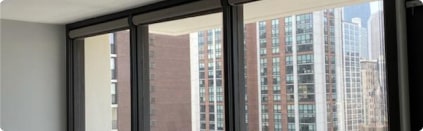
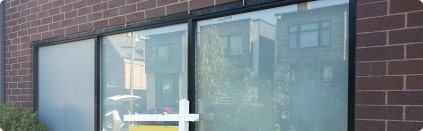





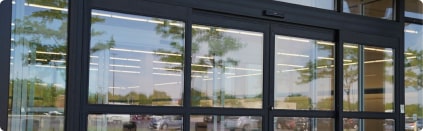
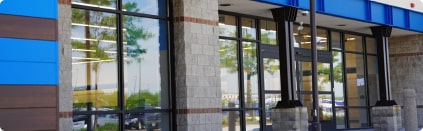








A business’s exterior makes an impression long before a customer enters the building. Clean windows, well maintained garage doors, presentable walls, and tidy walkways all help establish a welcoming environment. For an automotive service facility, where customers expect precision and care, those details are particularly important.
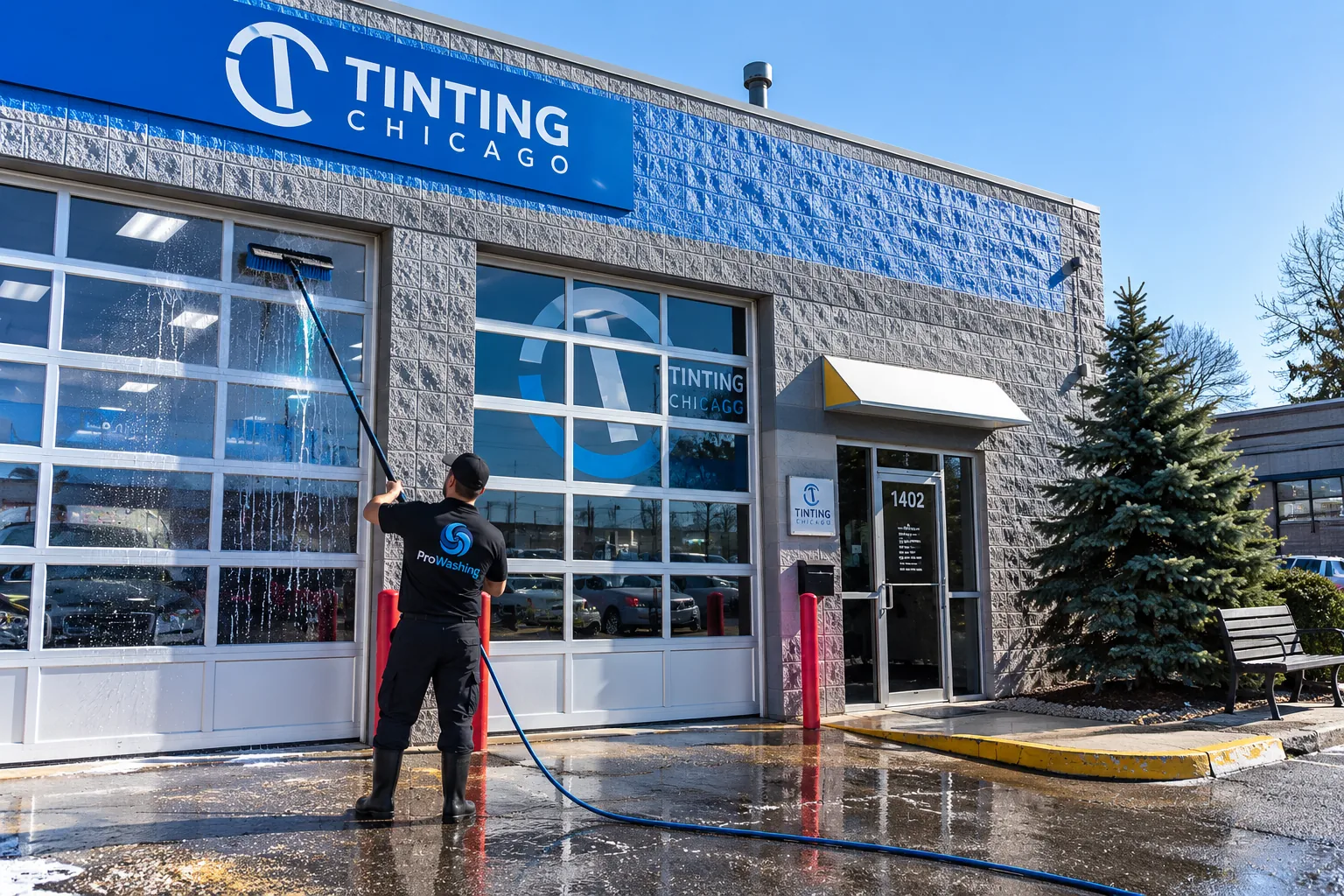
At Tinting Chicago, the condition of our Palatine facility is part of how we present our work. Our location at 1402 N Rand Rd, Palatine, IL 60074, welcomes customers seeking automotive tinting, paint protection, and other vehicle appearance services. To refresh visible portions of the building’s exterior, we worked with ProWashing, a professional exterior cleaning company based in the Greater Toronto Area.
The project included four defined areas: the garage doors, exterior windows, front walkway, and a selected portion of the exterior wall. Each of these surfaces experiences different kinds of contamination, which makes choosing the appropriate cleaning method essential.
Why Exterior Cleaning Matters for Automotive Businesses
Commercial properties are constantly exposed to environmental conditions. That is why commercial exterior building cleaning is an important part of routine property maintenance. Rain, airborne dust, road debris, vehicle exhaust residue, pollen, and normal pedestrian activity can leave deposits on surfaces that face the street. At automotive facilities, the arrival and departure of vehicles can add to the dirt that accumulates around entrances, service bays, and concrete areas.
These changes tend to occur gradually. A lightly stained walkway or a film of residue on a garage window may go unnoticed at first, but together they can make an otherwise maintained building appear tired. Regular cleaning helps remove buildup before it becomes more difficult to address and can also make developing maintenance concerns easier to identify.
Exterior cleaning is not simply about aesthetics. It is also about treating materials appropriately. Glass, painted masonry, metal framing, and concrete have different vulnerabilities. A cleaning process that works well on sound concrete may be unsuitable for window seals or painted surfaces. Professional cleaning should take account of those differences rather than relying on one technique everywhere.
Inside the Tinting Chicago Exterior Cleaning Project
The areas selected for this project are among the most visible parts of our Palatine location. The garage doors dominate the front elevation, with large glass sections framed by metal. The windows influence how bright and presentable the facility appears from outside. The concrete walkway leads visitors toward the entrance, while the exterior wall provides the backdrop for the building’s signage and architectural features.
Addressing these areas together helped create a more consistent exterior presentation without requiring a complete cleaning of every surface on the property. The work was specifically limited to the four areas described here.
The work covered four specific areas: the glass garage doors and surrounding frames, exterior windows, the front concrete walkway, and a selected portion of the building’s exterior wall.
Garage Door Cleaning: Refreshing the Facility’s Most Visible Feature
Large garage doors are a defining feature of many automotive shops. At Tinting Chicago, glass paneled service doors allow daylight into the working areas and form an important part of the storefront. Their size also makes accumulated dirt particularly noticeable, especially when sunlight catches streaks, spots, or residue on the glass.
Cleaning a commercial garage door is more involved than rinsing the surface with water. A single door may contain glass, metal framing, rubber seals, joints, and mechanical components. Dirt collects differently on each of these materials. Horizontal frame sections can hold dust, while glass often shows water spots and marks left by dried rainfall.
Protecting the Doors During Cleaning
Garage doors should be cleaned with consideration for their construction. Excessive water pressure can force water toward seals and joints, disturb vulnerable finishes, or affect components that were never intended to be exposed to a direct high pressure stream. An appropriate approach depends on the door’s condition, the surface being cleaned, and the presence of nearby electrical or mechanical parts.
By including the garage doors in the project, ProWashing addressed one of the first surfaces customers encounter when they arrive at the facility. Maintaining those doors supports the clean, professional appearance expected of an automotive business.
Commercial Window Cleaning: Clarity, Light, and a Better Storefront Appearance
Clear exterior glass helps a storefront look cared for and allows natural light to reach the interior. At a facility with large glazed doors and windows, even a modest layer of airborne debris can be visible from the parking area. Rainwater can deposit particles on the glass, and minerals remaining after water evaporates may create spots or streaks.
The project included commercial window cleaning to address these visible deposits and complement the freshly cleaned garage doors. Treating the glass and adjacent surfaces as parts of the same exterior presentation is useful because clean windows can make dirty surrounding frames more noticeable.
How Water Fed Pole Systems Work
Water fed pole window cleaning is one technique commonly used for professional exterior window maintenance. A specialized brush mounted on an extendable pole is supplied with water, often purified to reduce the minerals that contribute to spotting. The brush helps loosen suitable surface deposits while the water rinses them away.
This method can be especially useful for elevated or expansive glass areas, but it still requires care. Window films, older seals, damaged glazing, and nearby electrical features may limit which techniques are suitable. Not all staining can be removed by purified water alone, and some mineral deposits require a different treatment.
For additional information about exterior glass care, ProWashing explains its approach to professional window cleaning for homes and businesses in Toronto and the surrounding Greater Toronto Area.
Front Walkway Cleaning: Caring for High Traffic Concrete
The walkway outside a commercial entrance is exposed to almost constant wear. Foot traffic, vehicle activity nearby, dirt carried in by the wind, and seasonal weather can all contribute to surface buildup. Because concrete is porous, certain contaminants may become more difficult to remove if left untreated.
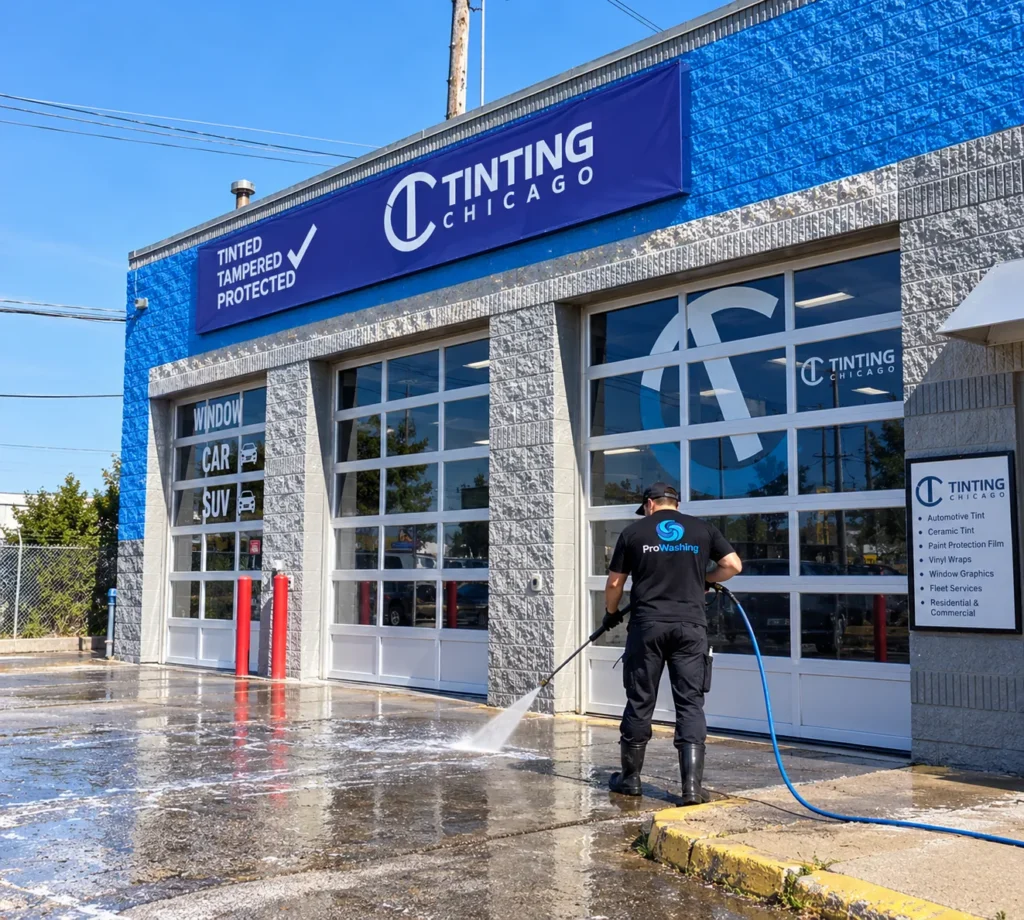
The front walkway at Tinting Chicago was another focus of the ProWashing project. Commercial storefront sidewalk pressure washing can help refresh entrance areas when the concrete is in suitable condition. Cleaning this area helped refresh the appearance of the customer entrance and bring the ground level surfaces into better visual alignment with the cleaned garage doors and windows.
Why Concrete Cleaning Needs Controlled Pressure
Concrete pressure washing is often effective on sound surfaces, but concrete is not indestructible. Water pressure, nozzle type, flow rate, cleaning distance, and surface condition all influence the result. Excessive pressure or uneven technique can etch a weak surface, disturb deteriorated joints, or produce conspicuous cleaning marks.
Some staining, including absorbed oil, rust, or chemical discoloration, may need specialized pretreatment and may not disappear completely. Cleaning should also account for drainage, runoff, neighboring doors, and pedestrian access while the work takes place.
More detail about appropriate methods for outdoor hard surfaces is available through ProWashing’s pressure washing services, which include cleaning options for suitable concrete and other exterior surfaces.
Exterior Wall Cleaning: Treating the Right Areas
Walls can collect atmospheric dust, streaks from rainwater, and other residue over time. The appearance of that buildup depends on the wall’s material, texture, paint, exposure, and surrounding environment. Highly textured masonry can hold debris within small surface recesses, while painted areas can reveal streaks or uneven discoloration.
For this project, ProWashing cleaned a selected portion of Tinting Chicago’s exterior wall. This was targeted work rather than a complete building wash. The distinction matters because the scope of a commercial cleaning project should be described accurately, and different areas of the same structure may need different levels of attention.
Why Wall Materials Influence the Method
Painted concrete block, brick, metal cladding, and stucco do not all respond equally to cleaning. A forceful water stream can damage aging paint, affect fragile finishes, or push water into joints and openings. Some surfaces may be better suited to low pressure washing or a carefully selected cleaning solution, while others can tolerate more direct mechanical cleaning.
Planning also means protecting nearby signs, fixtures, windows, and landscaping. Cleaning a building wall successfully is as much about protecting the material as it is about removing visible contamination.
Pressure Washing Versus Soft Washing: Why the Distinction Matters
Commercial exterior cleaning is often described as though every task involves the same equipment. In practice, the method should follow the surface and the kind of contamination present.
Pressure Washing
Uses pressurized water to help remove dirt and other suitable deposits from durable surfaces. It can be appropriate for sound concrete and certain exterior materials when the equipment is adjusted to their condition.
Soft Washing
Uses a lower pressure application, commonly with compatible cleaning solutions, to treat contamination on surfaces where aggressive water pressure could create unnecessary risk.
Neither method is automatically the best choice for an entire property. A mixed surface project involving glass, metal framed garage doors, concrete, and painted walls requires decisions tailored to individual materials. ProWashing describes these considerations in its commercial pressure washing services information.
Planning Exterior Cleaning Around an Operating Business
Cleaning an active automotive facility introduces practical considerations beyond the building materials. Customers and employees need safe access, vehicles need room to move, and equipment or cleaning hoses must not obstruct entrances unexpectedly. Wet walkways and areas of runoff should be managed with particular care.
Garage doors, pedestrian paths, parking spaces, and the surrounding electrical fixtures all influence the cleaning sequence. Depending on conditions, certain access points may need temporary separation from the work area. Weather and drainage can also affect when the project should be carried out.
These considerations explain why a commercial cleaning plan should be developed around the property rather than copied from a residential job. The aim is to clean the selected surfaces while protecting the building and minimizing unnecessary disruption to normal activity.
What This Exterior Cleaning Project Accomplished
The project addressed four prominent components of the Tinting Chicago property. Garage door cleaning refreshed one of the building’s most noticeable architectural features. Exterior window cleaning supported clearer, more presentable glass. Front walkway cleaning addressed accumulated surface dirt in the customer entrance area. Targeted wall cleaning helped improve the appearance of a selected section of the facade.
Together, the work contributed to a more consistent, maintained appearance across the areas included in the project. It also illustrates an important lesson for other property owners: cleaning one surface in isolation may draw attention to dirt on adjacent features. Considering the visible exterior as a whole can help determine where maintenance will provide the greatest value.
How Often Should a Commercial Property Be Cleaned?
There is no universal schedule that suits every property. Cleaning frequency depends on the building’s location, weather exposure, traffic, nearby landscaping, the type of business, and the sensitivity of its exterior materials.
Storefront glass and customer entrances often require more frequent attention than less exposed wall sections. Properties near busy roads may accumulate traffic related residue more quickly, while locations with trees may experience seasonal pollen and organic deposits. In northern climates, snowmelt and road treatment residue can also affect the condition of concrete and lower wall areas.
A practical starting point is to inspect the exterior seasonally, identify the surfaces with visible contamination, and plan cleaning around their actual condition. Stubborn stains, damaged materials, or recurring drainage problems should be assessed separately rather than assuming more washing will resolve every issue.
About ProWashing and Its Commercial Exterior Cleaning Services
ProWashing is a Toronto area exterior cleaning company that offers residential and commercial services, including window cleaning, pressure washing, soft washing, and building exterior maintenance. Its service offerings also address more specialized cleaning requirements for selected properties and surfaces.
The Tinting Chicago project took place in Palatine, Illinois, while ProWashing’s primary service area is Toronto, the Greater Toronto Area, and selected Southern Ontario communities. Property owners in that market can explore ProWashing’s commercial exterior cleaning services to learn about maintenance options for storefronts, building facades, entrances, and other exterior features.
For businesses managing customer facing properties, commercial exterior cleaning in Toronto and the GTA is one way to maintain their premises. Appropriate exterior care is an investment in how the facility is presented and how its materials are maintained over time.
Frequently Asked Questions
Can pressure washing damage commercial garage doors?
Yes. Excessive pressure or unsuitable techniques can affect weather seals, joints, aging finishes, and other vulnerable components. Garage doors should be assessed according to their construction, and the cleaning process should protect the glass, framing, and surrounding hardware.
Is water fed pole cleaning appropriate for every window?
No. It can work well for many compatible exterior windows, but existing films, damaged seals, unusual coatings, and persistent mineral stains may require different methods. A professional should assess the glass and surrounding components first.
Can professional washing remove every stain from concrete?
Not always. Loose dirt and many surface deposits can be removed from suitable concrete, but absorbed oil, rust, chemicals, and permanent discoloration can require specialized treatment or may not be fully removable.
Should every commercial exterior wall be pressure washed?
No. Painted surfaces, vulnerable masonry, stucco, certain cladding systems, and deteriorated coatings can require lower pressure methods. The correct approach depends on the material and its condition.
Where does ProWashing normally provide commercial cleaning?
ProWashing is based in the Greater Toronto Area and primarily serves Toronto and other communities across the GTA and selected parts of Southern Ontario. The Tinting Chicago location featured in this article is in Palatine, Illinois.
Professional Care Shows in the Details
Our Palatine exterior cleaning project with ProWashing brought attention to the areas visitors notice first: the garage doors, windows, walkway, and part of the exterior wall. Each required consideration of its material and exposure to the elements. Together, the work illustrates how targeted maintenance can contribute to a professional, welcoming business exterior.
For automotive shops, offices, retail spaces, and other commercial buildings, keeping these details in good condition is one part of caring for the property as a whole.