- Auto Tinting
- Auto Wrapping
- Car Paint Protection
- Tesla
- Residential Tinting
- Commercial Graphics
- Commercial Tinting
- About Us










Choosing a window tint for your car is not just about making it look darker. The tint affects how warm the inside of your car feels, how much glare you have to deal with, and even how well your phone and GPS work. Two common options are carbon and metallized (metallic) tint.
Thin layers of metal in film reflect heat, but can also create issues with signals. Carbon film does not contain any metal, so it maintains a clean, matte appearance and prevents interference. Here, we will discuss the advantages and disadvantages of each option so you can pick the best tint for how you drive.
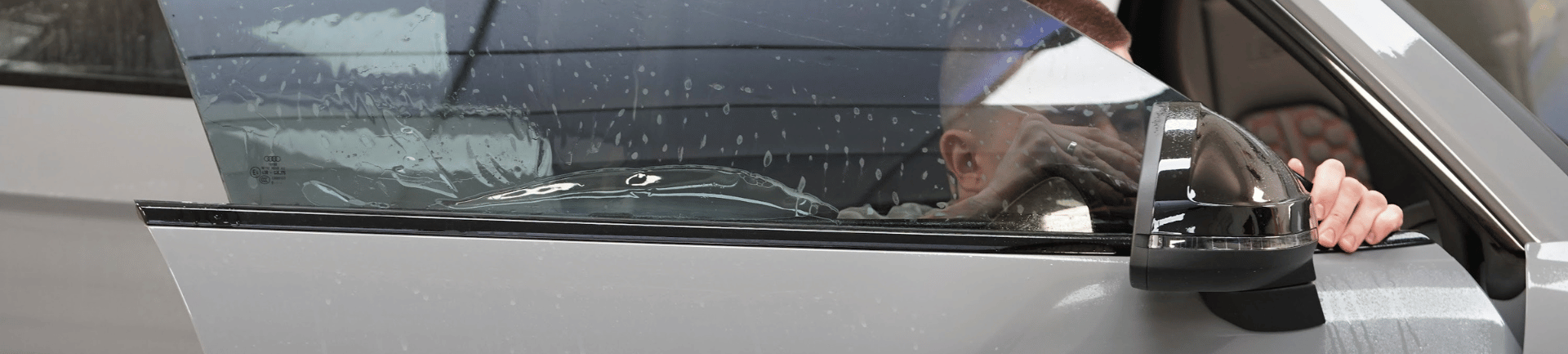
Carbon vs Metallized Window Tint For Your Car
Carbon window tint is usually better than metallic tint because it blocks more heat without causing signal problems like metallic films do. Metallic tints use aluminum layers to reflect heat, which can interfere with GPS, radio, and cell signals. On the other hand, carbon tints use non-conductive particles to soak up heat and give a smooth, matte black look. Carbon also lasts longer, doesn’t fade easily, and is better at protecting inside surfaces.
| Thing you’ll notice | Carbon tint | Metallized tint | Quick note |
|---|---|---|---|
| Heat feel | Absorbs heat; many carbon films land around 40–50% total heat rejection. | Reflects heat; often around 45–55% heat rejection. | Numbers overlap – your butt may not notice. |
| Phone/GPS | No metal, so signals stay normal (calls, GPS, Bluetooth). | Metal layer can cause signal dropouts (GPS/phone/radio). | If you live in Maps apps… don’t gamble. |
| Look | Deep matte black, “clean” finish. | Can look more shiny/reflective (depends on film). | Matte = stealth. Shiny = mirror vibes. |
| Night driving | VLT matters: 35% is easier than 20%; 5% gets dark fast. | Same VLT rule, but reflections can feel distracting. | Dark + rain = “where’s the lane?” |
| Interior & UV | Good UV protection; helps slow fading/cracking. | Also blocks UV well; can add a “tough” feel to glass. | Your dash will thank you either way. |
| Aging | Color-stable; less likely to fade purple with quality film. | Durable, but edges/bubbles can still happen over years. | Install quality > hype words. |
| Price | Mid-range: more than dyed, less than ceramic. | Often similar or a bit cheaper than premium carbon. | Pay once, cry less later. |
So, carbon tint is the safer pick for most drivers. It gives you strong heat control, a clean matte look, and it won’t mess with your phone or GPS. Metallic tint can still be a good deal if you mainly want a tough film and solid heat reflection – especially on the rear windows – but the signal risk is real. If you’re on the road a lot and use maps every day, carbon is usually the smarter choice.
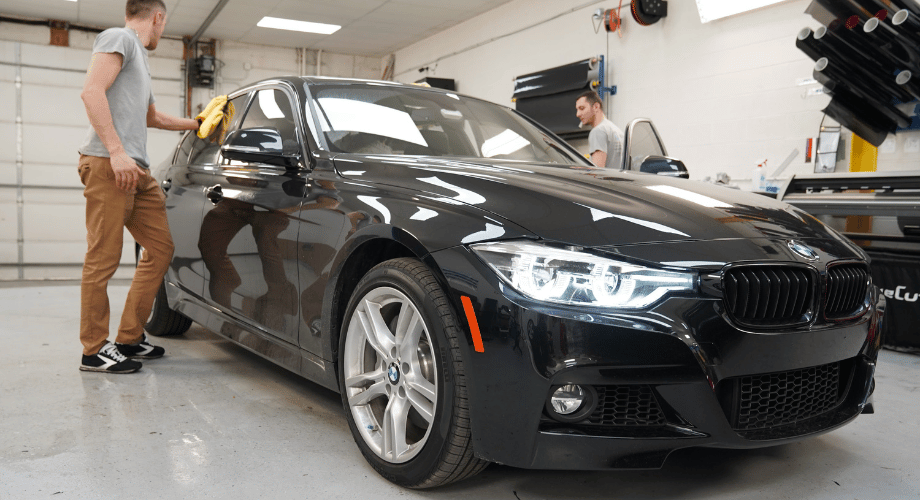
Pros and Cons of Metallic Tint
A really thin layer of metal gets added to the metallized film structure, usually by spraying it on. This layer really boosts how much the material reflects, so it’s good at stopping solar heat and ultraviolet rays. This type of film lasts longer than the regular ones, doesn’t fade as much in the sun, and makes the glass look a little like a mirror.
Advantages of metal window tinting:
- Effectively reflects heat
- Durable
- Provides good protection against interior fading
Disadvantages you may encounter:
- Your radio, GPS, and phone will most likely work like crazy
- More expensive than the cheapest dyed
- More difficult to install
Overall, this is suitable for car owners who are looking for long-lasting protection from heat and are willing to pay extra for quality.
Pros and Cons of Carbon Tint
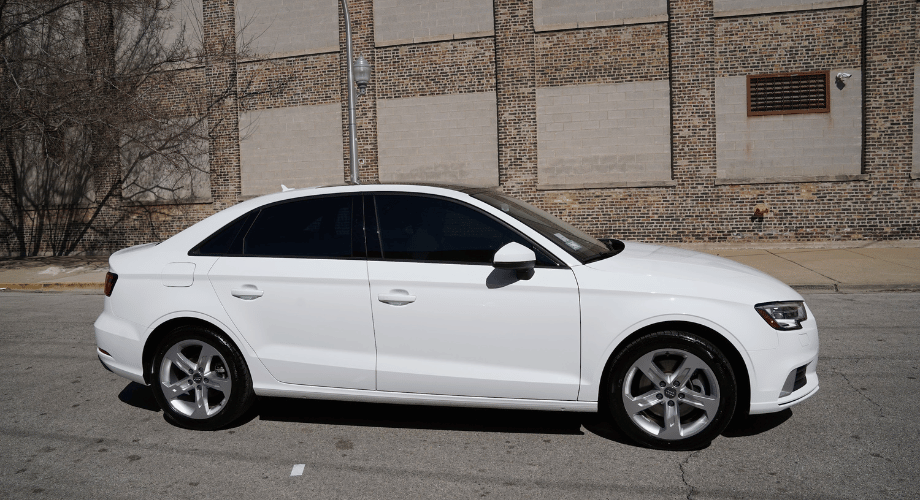
This film has carbon particles in it. It does not disrupt cell communication and electronics, unlike metallic versions. This color does not fade easily. Furthermore, carbon can effectively stop ultraviolet rays and is also good at reflecting heat. Your car’s windows will have a cool, non-shiny look.
Obvious advantages of carbon tinting:
- Does not interfere with communication signals
- Good protection from ultraviolet rays and heat
- Looks stylish and premium
- Long service life
There are also some disadvantages
- Sometimes more expensive
- Less heat reflection than metallized tinting
Suitable for those who value a balanced ratio of price, quality, and visual effect.
Ask us anything.
We’re always in touch.
 Send a message
 Send a message
Conclusion
Ultimately, it is the best tint that suits your driving style. Don’t go shopping by shade name, go shopping by numbers. Request UV rejection (should be around 99%), and do not only take into account claims of IR, but rather TSER (total heat rejection). Also bear in mind VLT stacks: with a 70% glass and 35% film, you end up with a light level of approximately 25% (0.70 x 0.35).
That is why certain installations make things appear much darker than they should be. A good installer and a real warranty are as good as the film.