- Auto Tinting
- Auto Wrapping
- Car Paint Protection
- Tesla
- Residential Tinting
- Commercial Graphics
- Commercial Tinting
- About Us



















Nowadays, aesthetic appeal is not the only important factor in window tinting, right? That is why car owners compare the films available on the market before going to a tinting shop.
You have probably heard about the two opponents in today’s article more than once. Perhaps from friends, tinting specialists, or simply seen them on the internet. So, today we will talk about two modern premium films for car tinting – carbon and nano ceramic.
So, What’s the Main Difference – Nanoceramic vs Carbon Film?
The main difference is in how well they work and how much they cost: Nano-ceramic tint is more expensive but better at blocking heat and staying clear and strong. Carbon tint is cheaper and works well, giving a non-shiny look and keeping its color well.
What Does Heat in a Car Mean and How Do These Films Affect It?
The phrase “gets hot” when referring to a car means that the sun’s energy is being trapped inside. Light from the sun comes through your car windows, touches your seats and dashboard, and changes into warmth. A lot of the heat comes from infrared rays, which are invisible but can definitely be felt.
Carbon tint works by absorbing heat to fight against it. The carbon layer works like a sponge for IR energy. It helps to keep the inside of the cabin cool and also gives it a dark and tidy appearance. The amount of infrared light blocked by carbon films can range from 40% to 60%, depending on the brand and darkness of the film.
Nano ceramic tint means the use of small ceramic particles to filter and reject more infrared light, but without utilizing metal. This is why it seems colder even when it is in the direct sunlight. The infrared light of most nano ceramic films is blocked at about 85-95 percent, but again, this varies with the film and visible light transmission (VLT).
Does Price Really Matter When Making a Choice?
Yes, because the price typically reflects how well something performs. Nano ceramic is more costly as it is considered to regulate heat and offer much better optics. A good tradeoff is to select carbon: you can be comfortable and look good without spending much.
A carbon full-tint sedan can be sold between $250 and $450, whereas a nano ceramic full-tint sedan can sell at $500 to $900 and above. The price of carbon on the two windows alone is normally around 120-200 dollars, and nano ceramic can be between 200-350 dollars. Some popular brands that people often compare are XPEL XR / XR Plus, LLumar CTX / IRX, 3M Color Stable / Ceramic IR, and SunTek Carbon / CIR.
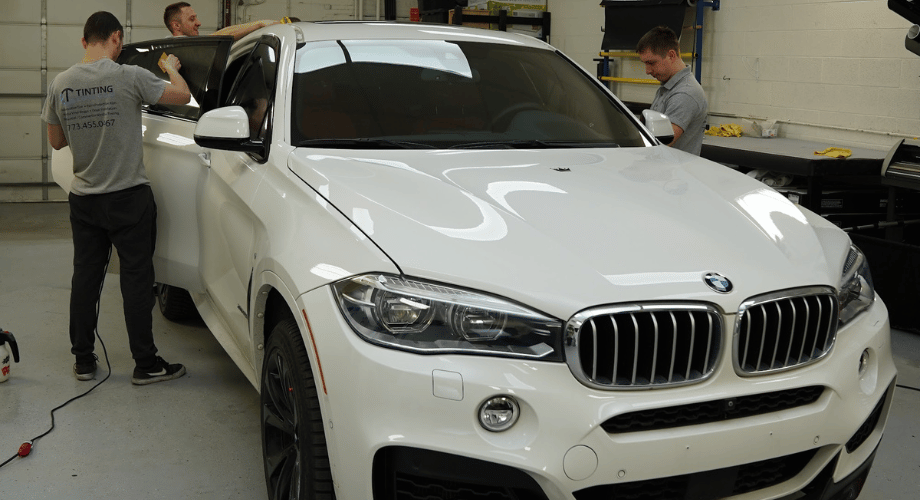
What Carbon and Nano Ceramic Window Films Look Like?
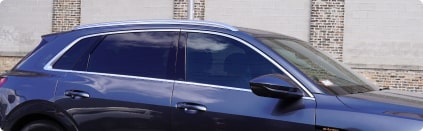
Carbon film is the “clean black” choice. It usually gives a deep, matte finish, like someone shaded the glass with a smooth pencil. From the outside it looks darker and more private, and it doesn’t have that shiny, mirror vibe. Depending on the angle and the sun, carbon can look extra dark on the edges of the window, especially with black interiors. If you want your car to look bold and stealthy, carbon is the look.
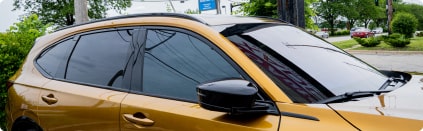
Nano ceramic is more “factory clean.” It tends to look more neutral in color, not smoky or greenish. From inside the car, a good ceramic often feels clearer at night – less glare bloom, less weird haze at low angles. From outside, it can look a little lighter than carbon at the same VLT, but still feel cooler in the sun. If you care about a crisp, natural look when you’re driving, ceramic usually wins that battle.
And yeah – your camera will lie to you. Your eyes won’t. So we always judge it in real light, on real cars, not on photos.

How to Choose Between Carbon and Nano Ceramic for Your Car
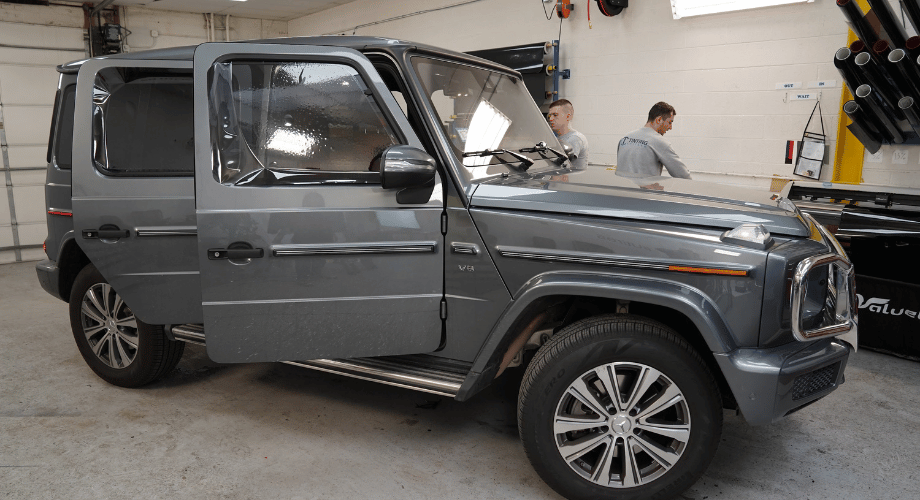
If you’re stuck between these two, don’t overthink the marketing words. Think about your daily routine. Where do you park? How long do you drive? Do you live in your GPS? We see people choose the “best” film on paper, then regret it because it doesn’t match how they actually use the car.
- Go carbon if you want a deep matte look, solid heat control, and a better price without going cheap.
- Go nano ceramic if you want the coolest cabin possible, clearer views at night, and you don’t mind paying more.
- If you drive a lot for work – ceramic usually feels worth it on long sunny days.
- If you mostly do short trips – carbon is often the best value.
- Your interior is black? Well, both will look darker from the inside, so consider staying a bit lighter up front.
- If you care about privacy most, carbon often gives that darker “blacked out” look faster.
Ask us anything.
We’re always in touch.
 Send a message
 Send a message
Conclusion
If the cost of nano ceramic tinting is still too high for you, you should also consider premium ceramic film. It is slightly cheaper, but still more expensive than carbon. If the above-mentioned IR blocking indicators are not very important to you, you can opt for carbon right now.