- Auto Tinting
- Auto Wrapping
- Car Paint Protection
- Tesla
- Residential Tinting
- Commercial Graphics
- Commercial Tinting
- About Us












Both ceramic and multi-layer ceramic tint are “premium” options. They’re not the cheap dyed stuff that fades fast. But they’re also not the same thing in real life, even if shops use the words like they mean the same thing.
The Main Difference
Regular ceramic tint uses ceramic-based particles to cut heat and UV without using metal, so it stays signal-friendly.
Nano ceramic tint is usually a higher-end version that uses smaller particles and/or more particles in the film. The goal is simple: better heat blocking (especially infrared) and cleaner optics.
One confusing part: the tint industry doesn’t label this perfectly. Some brands call their best film “ceramic,” even if it’s technically nano. One shop even explains ceramic films as using nano-ceramic particles.
So when people say “nano ceramic,” they usually mean “the top ceramic line,” not a totally different category.
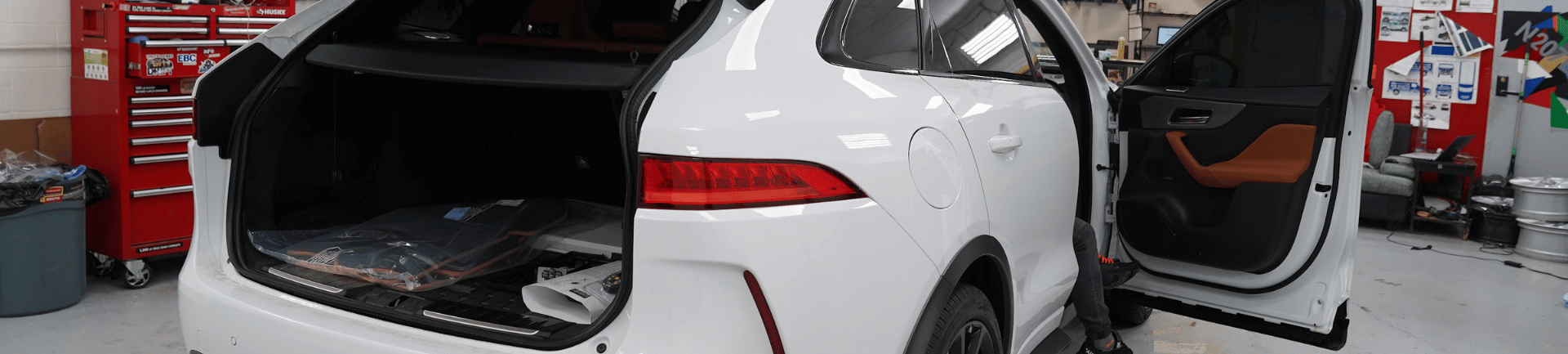
Ceramic vs Nano Ceramic Window Film
| What you care about | Ceramic tint | Nano ceramic tint |
|---|---|---|
| Heat (IR) blocking | Often marketed around 70–90% IR depending on shade/line | Often marketed around 85–98% IR in premium lines |
| UV blocking | Usually very high (often ~99%) | Same: usually very high (often ~99%) |
| Signal interference | None (non-metal) | None (non-metal) |
| Clarity at night | Good on quality films | Usually better on the top lines; “clear” is a big selling point |
| Low-angle haze risk | Can happen with any high-performance film | Can also happen (sometimes more noticeable on some high-IR films) |
| Price | Mid-to-high | High / premium |
Numbers vary a lot by VLT (shade) and by brand, so don’t treat any single percent like a guarantee.
When Regular Ceramic is Sufficient
A regular ceramic window film is an ideal option when you are seeking true comfort, but you are not after the highest performance. So, ceramic tinting normally suffices when:
- Most days, you park in a garage or shady lot.
- Your motivations are short like errands, commute, school.
- You are primarily after UV protection, glare control, and a more professional appearance than dyed tint.
- You are selecting a reasonable color (such as 35 percent in front), and you are more concerned about being seen than blacked out.
And in such situations, you will not be paying top-shelf prices to have the upgrade.
Why People Choose Nano Ceramic
People pay for nano ceramic because they want the most comfort with the least compromise.
Nano ceramic makes sense when:
- Your car sits outside a lot and you’re tired of a baked cabin.
- You drive long hours and heat wears you out.
- You want the clearest view at night and in harsh sun.
- You plan to keep the car for years and you want a “do it once” film.
If you hate that hot glass feeling on your arm in summer, this is usually the upgrade that you actually notice.
One Thing That Matters More Than the Label
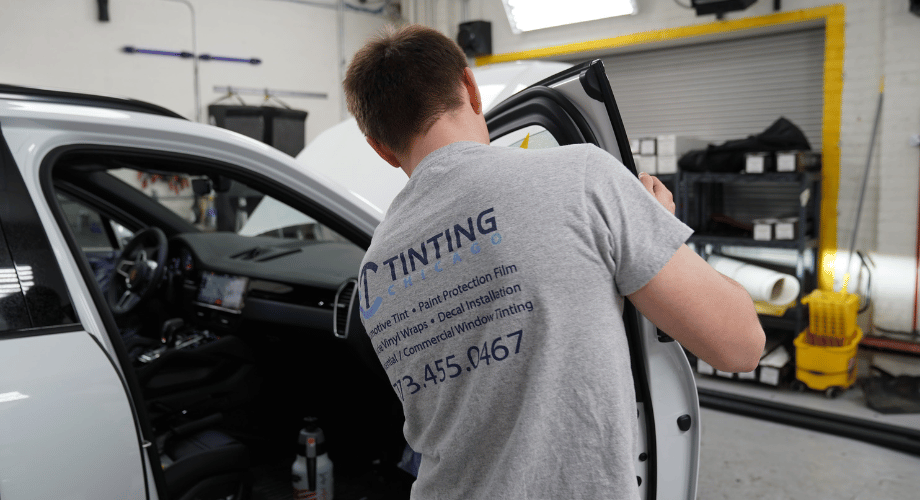
A bad film or bad installation destroys all that. Even higher quality tint may bubble or peel or appear to be strange when applied incorrectly. And even a great film may have a haze at angles on some lines, according to the line and the glass.
When you’re shopping, pay attention to these small but important details:
- VLT, IR rejection, and (when present) TSER.
- What warranty does the manufacturer and installer provide for your window tinting?
Ask us anything.
We’re always in touch.
 Send a message
 Send a message
Conclusion
Ceramic tint is the smart “enough for most people” choice. Nano ceramic is for drivers who want maximum heat comfort and the cleanest optics, especially if the car lives in the sun. If your budget allows it and you spend a lot of time on the road, multi-layer ceramic is usually the one you’ll be happiest you paid for.