- Auto Tinting
- Auto Wrapping
- Car Paint Protection
- Tesla
- Residential Tinting
- Commercial Graphics
- Commercial Tinting
- About Us

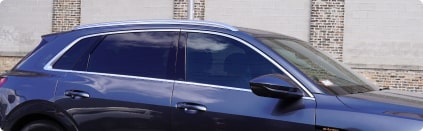
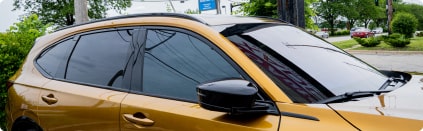
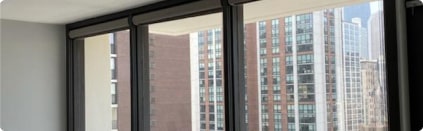
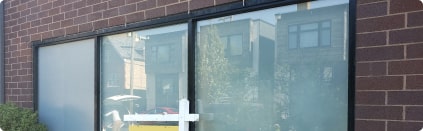



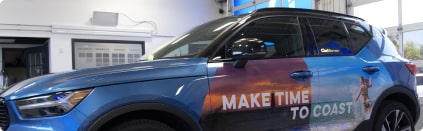
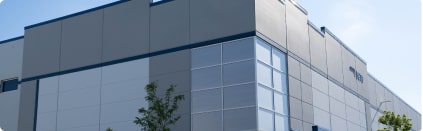






Dyed window tint is a budget-friendly, non-reflective option primarily for privacy and aesthetics, but it offers low heat rejection and may fade. Metallic tint has built-in metal particles and provides superior heat reflection and durability. However, it can disrupt electronic signals such as GPS, and sometimes radio or cellular communications.
| The thing you actually notice | Standard tint | Metalized tint |
|---|---|---|
| What is it made of | A dyed layer in the film | Tiny metallic particles layered into the film |
| Curb look | Dark, matte, low-shine | Can look shinier / reflective |
| Summer heat test (parked in sun) | Some heat reduction, but not a hero | Better at reflecting heat, cooler cabin… until your phone acts weird. |
| Glare (daytime squinting) | Helps | Often stronger glare reduction |
| Will it mess with my GPS? | Nope | Maybe yes (GPS/phone/radio interference is the big complaint). If you rely on CarPlay/Android Auto + GPS daily, think twice. |
| How it ages | Can fade over time; cheap film may bubble | More scratch/fade resistant overall |
| Durability (kid/ dog / window cleaning life) | More prone to scratches/wear | More durable; metallic layer adds strength |
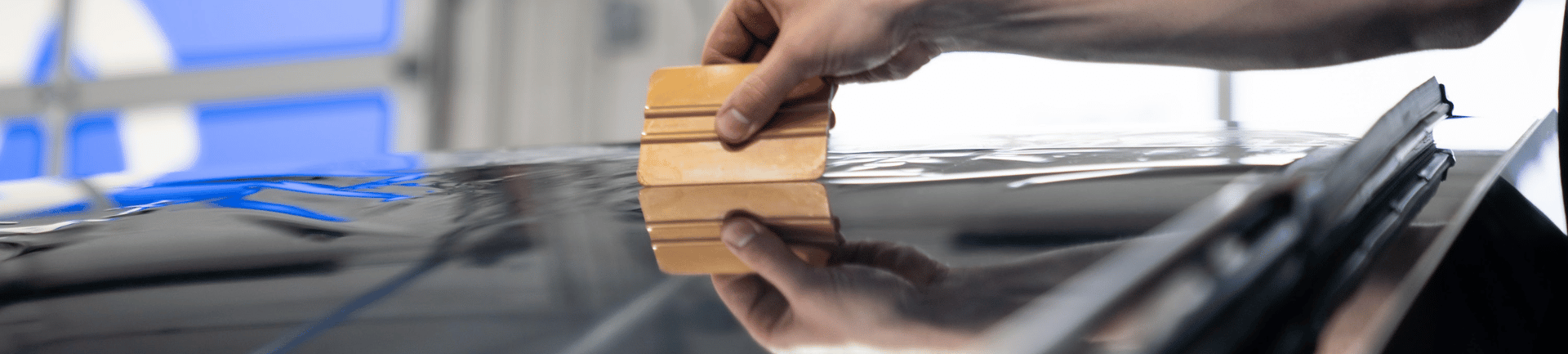
What is Dyed Window Film and What is Metallic Tint?
Regular tint is a film consisting of one or two layers of dyed polyester. In two-layer films, the layers are joined together by an adhesive laminate layer.
Dyed film does not contain metallized particles or ceramic layers, so it quickly loses its color saturation and can fade when exposed to ultraviolet light.
- Pros: affordable price, easy to install.
- Cons: fading, susceptibility to scratches, poor heat protection.
Let’s move on to metallized film. It consists of two layers, the bottom one made of dyed polyester and the top one, which is actually metalized. The metallized layer is a polyester film onto which metal is deposited. Depending on the degree of metallization, the film can be either mirrored or non-mirrored.
- Pros: durability, good UV protection, high heat-reflective properties.
- Cons: possible radio signal interference (especially in cars with antennas on the windows), high price.
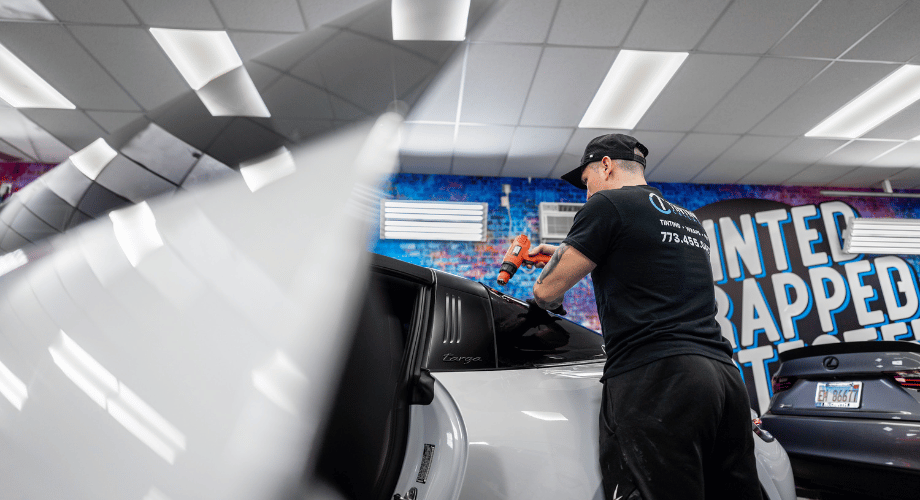
When to Choose Dyed Tint?
Pick a dyed tint if your main goal is simple: make the windows darker and give the car more privacy without spending a lot. This is the “standard tint” that most people begin with, and to be honest, it meets the needs of many drivers. If you take quick drives, park in a garage, or live in a place that isn’t extremely hot, then using dyed film for your car windows can be a good and easy option. “It also has a clean, non-shiny appearance, so your car won’t have a reflective “mirror” look.”
Using dyed tint is also a good option for older cars, cars for work, and leased vehicles. It can give them a nice improvement without costing a lot of money. Don’t expect a lot of relief from the heat. If you’re purchasing tint for a more comfortable experience in summer traffic, dyed tint may not provide the relief you’re looking for.

When to Choose Metallic Tint?
Use metallic (metalized) tint when you are more concerned with comfort and durability in the long term than the price. The large gain of this is that the metalized film reflects more heat, hence your cabin will feel colder when your car is in the sun. It is observed by many drivers on long commutes, on the highway, and on those days when you park outside and come back to a frying pan of a steering wheel.
Metallic tint also tends to be more durable. It usually holds color better than cheap dyed film, and it can resist scratches and wear a bit more – helpful if you have kids in the back, a dog that loves window time, or you clean your windows often.
Metal can cause signal issues on some vehicles. Not every car will have problems, but it’s a real possibility – especially if your antennas are in the glass or you rely heavily on GPS, cell signal, or certain radio setups. If you use wireless CarPlay/Android Auto daily and hate glitches, ask the shop what film they use and whether they’ve seen issues on your exact car model.
Ask us anything.
We’re always in touch.
 Send a message
 Send a message
Conclusion
Metallized films may be a good tradeoff between quality and price. It is worth remembering, though, to keep in mind that they can disrupt mobile communications and navigation, particularly in the event you vow to tint the front windows. Regular tinting can be the solution in case you are more concerned with affordability and ease of maintenance. It will offer minimum protection against the sun and curious onlookers without costing a fortune.