- Auto Tinting
- Auto Wrapping
- Car Paint Protection
- Tesla
- Residential Tinting
- Commercial Graphics
- Commercial Tinting
- About Us

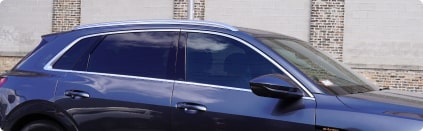
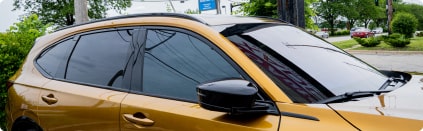












Dyed and carbon tint can look pretty similar from the outside, so it’s easy to think they’re basically the same. They’re not. Dyed tint is the budget choice. It gives you shade, glare cut, and privacy for less money. Carbon tint is more expensive, but it tends to keep its color longer and is more effective at blocking heat, especially in the summer. Before making a decision, consider this: do you want the cheapest option with the darkest look, or do you prefer more comfort in the long term?

Main Facts in Carbon Window Tint vs Dyed
Carbon window tint is a long-lasting and high-quality improvement compared to dyed tint. It provides excellent protection from heat and 99% protection from UV rays. The matte black finish will not fade or change color. Dyed tint is cheap for some privacy, but it doesn’t do much to block heat and it doesn’t last very long.
Most people don’t pick tint by lab numbers. You choose it because your car is really hot, or if you want to be private in the back seat, or if you are tired of squinting in traffic. Below, you will find information about the benefits of dye and carbon and where it is best to use each one.
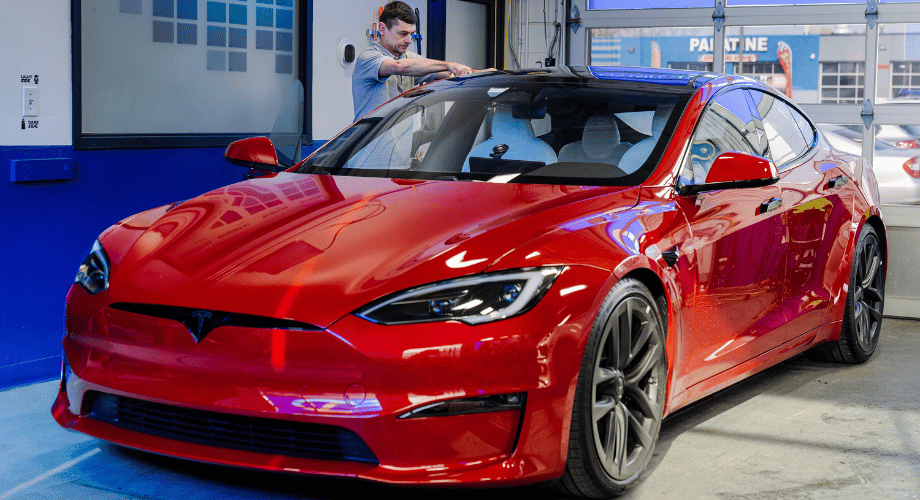
Dyed Film
Main pros:
- Cheapest way to get shade + privacy fast.
- Nice non-shiny look (no mirror vibe).
- Helps with glare, so your eyes aren’t squinting all day.
- If you’re tinting an older car or a work car, dyed often makes the most sense.
And where it hurts:
- Heat help is limited. One shop claims dyed blocks only about 20–30% of infrared heat.
- Fade risk: dyed can shift color (hello, purple) and may need replacement sooner.
- Some shops say dyed UV protection can be “modest” compared to higher tiers (this varies a lot by brand).
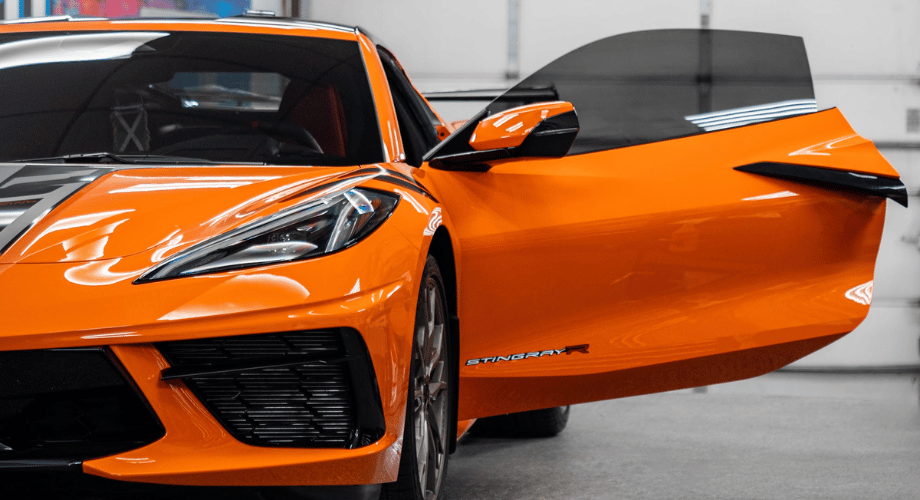
Carbon Film
If you walk into our shop and say, “I just want it darker,” dyed tint is usually the first thing we talk about. It’s affordable, it looks good, and it does the job for a lot of drivers. But if you also say, “My car gets stupid hot,” or “I don’t want it fading later,” then carbon tint starts making more sense.
Besides, it has its pros and cons. Firstly, check out benefits:
- Better comfort: some sources claim carbon blocks about 40–50% of infrared heat (so you feel less “sun oven” on your commute).
- Lasts longer in many cases: one source says carbon is typically 5–7 years, vs dyed 2–3 years.
- Deep matte black look that stays cleaner over time.
- “Carbon doesn’t fade over time,” this is what you will hear from our craftsmen and customers (still depends on quality + install).
Common cons:
- Costs more than dyed (you’re paying for the upgrade).
- Not “magic”: it’s better than dyed, but still below ceramic for max cooling.
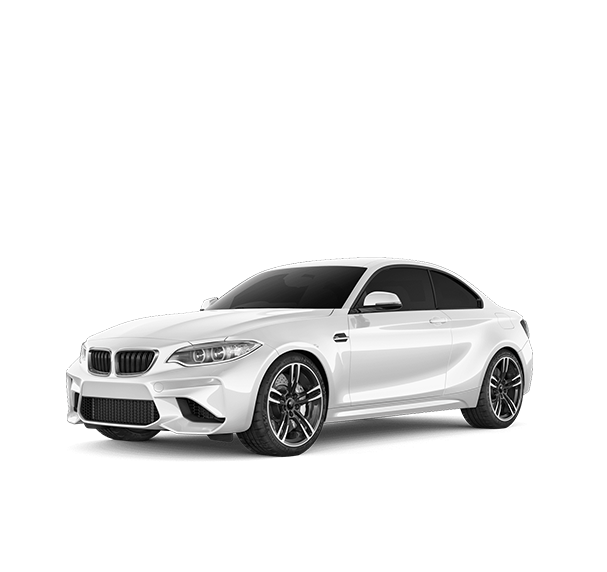
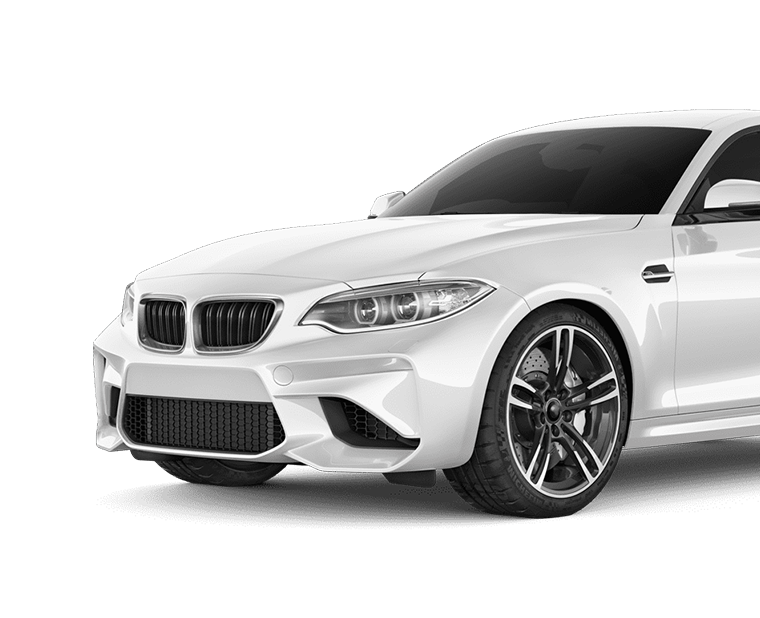
- Looks can fool you: one BMW owner on Reddit said “Carbon is darker than ceramic at the same % but offers less protection”, but night visibility got sketchy when they went super dark.
Detailed Comparison – Dyed vs Carbon Tinting
First, let’s see how it’s made and how it works. Tiny carbon particles are added to a strong polyester layer to make carbon window tinting. Carbon tinting, unlike colored films, uses carbon particles to control heat and light instead of relying on color.
Attractiveness and Durability
Window films with organic dyes deteriorate when exposed to strong sunlight because the dyes are used to absorb heat. Carbon window films do not use dyes, so they do not change color and they keep their qualities for many years without losing their attractiveness.
Car Interior Cooling
Infrared radiation accounts for most of the solar energy that causes the temperature in the passenger compartment to rise. Tinting film with carbon particles absorbs some of the IR heat before it enters the passenger compartment. In combination with air conditioning, this film provides excellent heat dissipation.
Dyed tint can still make the car feel a bit nicer, but it’s not a “cooling” film. Most dyed films are made mainly to darken the glass and cut glare. They don’t block much infrared heat, so the sun can still bake the cabin – especially in slow traffic or when the car is parked outside. One shop even claims dyed tint may only block around 20–30% of infrared heat, which is why it often feels warmer than carbon.
Cost
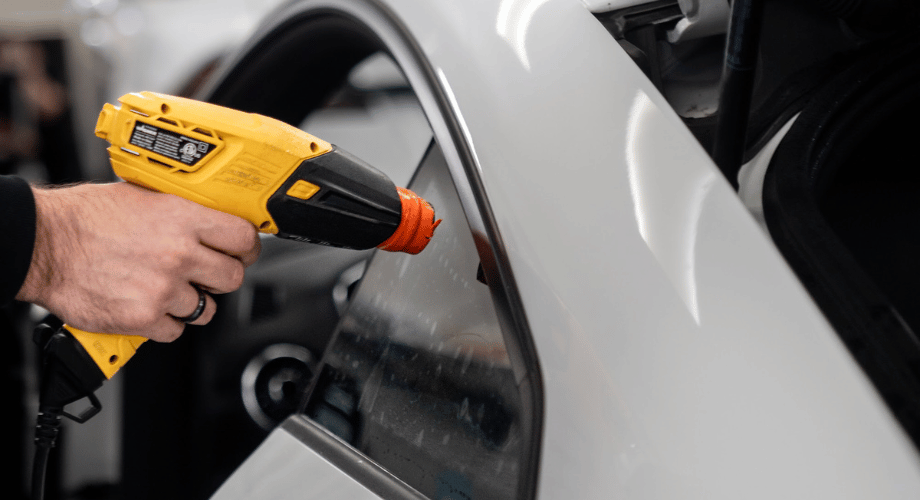
When it comes to price, choosing dyed tint is often the cheaper option, while carbon tint costs a little more but provides better quality. In real life, most shops charge around $250–$300 for fully dye tinting a car, while carbon dye usually costs around $350–$550 (and sometimes up to ~$600), depending on the car and the shop.
| What matters to you | Dyed tint | Carbon tint |
|---|---|---|
| Heat comfort | Basic help; not great at blocking IR heat | Better heat control; noticeable upgrade |
| Color over time | More likely to fade/purple on cheaper films | Usually holds color better long-term |
| Best for… | Privacy + looks on a tight budget | “I want it to feel better in summer” without ceramic pricing |

Conclusion
If you mainly want the dark look for the lowest price, dyed tint is the easy win. If you want your car to feel less like a toaster and you don’t want to re-tint later, carbon is usually worth the extra money. The increase in price is true, but the improvement in comfort is also true. If you let us know what kind of car you have and how much you want to spend, we can help you find the best shade and film for your budget.
Ask us anything.
We’re always in touch.
 Send a message
 Send a message